
Navigating Treatment-Resistant Depression: A Clear and Compassionate Guide
Understanding Evidence-Based Options, Including Ketamine-Assisted Psychotherapy, for Lasting Relief
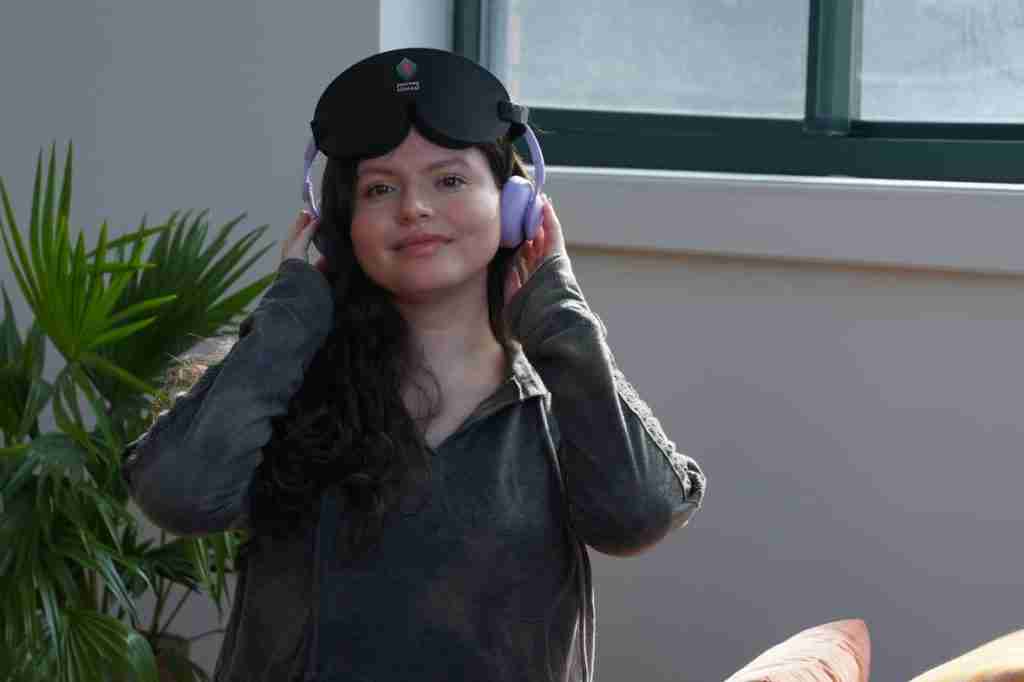
Depression shows up in many forms, including major depressive disorder, bipolar depression, and unipolar depression. For many people, symptoms improve with a combination of antidepressant medications—such as Selective Serotonin Reuptake Inhibitors (SSRIs)—and psychotherapy.
However, some individuals do not experience meaningful relief despite trying multiple treatments. When depression does not respond to standard care, it is often referred to as Treatment-Resistant Depression (TRD).
TRD is a complex and challenging condition. It describes depression that continues even after appropriate trials of medication and therapy. This can feel discouraging, but it does not mean recovery is out of reach. It simply means a more personalized and advanced approach is needed.
Why Treatment-Resistant Depression Matters
The reality of TRD became clear through the STAR*D study (Sequenced Treatment Alternatives to Relieve Depression), a large clinical trial led by the National Institute of Mental Health. This study examined how people with major depression responded to different treatment steps after an initial antidepressant did not work.
The findings showed that many participants did not achieve remission with first-line treatment, and some continued to struggle even after multiple medication changes. These results highlighted an important truth: depression is not a one-size-fits-all condition, and many people need more than standard treatments to heal.
At SMPsychotherapy & Counseling Services, we understand that TRD requires a thoughtful, whole-person approach—one that looks beyond symptoms and addresses biological, psychological, and social factors together.
Recognizing Treatment-Resistant Depression

Identifying Treatment-Resistant Depression (TRD) early allows for better treatment planning. Common signs include:
Ongoing Symptoms
Depressive symptoms continue despite trying more than one medication or therapy approach at appropriate doses and durations.
Daily Life Is Still Affected
Depression continues to interfere with work, relationships, motivation, and overall quality of life.
Medication Intolerance or Limited Benefit
Side effects may be severe, or medications may provide little to no improvement even when taken as prescribed.
Biological Contributors
Genetics, brain chemistry, or other neurobiological factors may affect how someone responds to antidepressants.
Co-Occurring Conditions
Anxiety disorders, trauma, chronic medical issues, or substance use can complicate treatment and contribute to resistance.
Advanced Treatment Options for Treatment-Resistant Depression (TRD)
Research shows that 20–40% of people with depression continue to have symptoms despite treatment. Fortunately, advances in psychiatry and neuroscience have expanded the range of effective options for TRD.
Neurostimulation Therapies
Electroconvulsive Therapy (ECT)
ECT is one of the most effective treatments for severe or long-standing TRD. It uses controlled electrical stimulation under anesthesia to create changes in brain chemistry that can rapidly reduce depressive symptoms.
Transcranial Magnetic Stimulation (TMS)
TMS is a non-invasive treatment that uses magnetic pulses to stimulate specific areas of the brain involved in mood regulation.
A newer form, intermittent theta-burst stimulation (iTBS), approved by the FDA, delivers similar benefits in much shorter sessions, according to findings published in the American Journal of Psychiatry.
Ketamine-Based Treatments
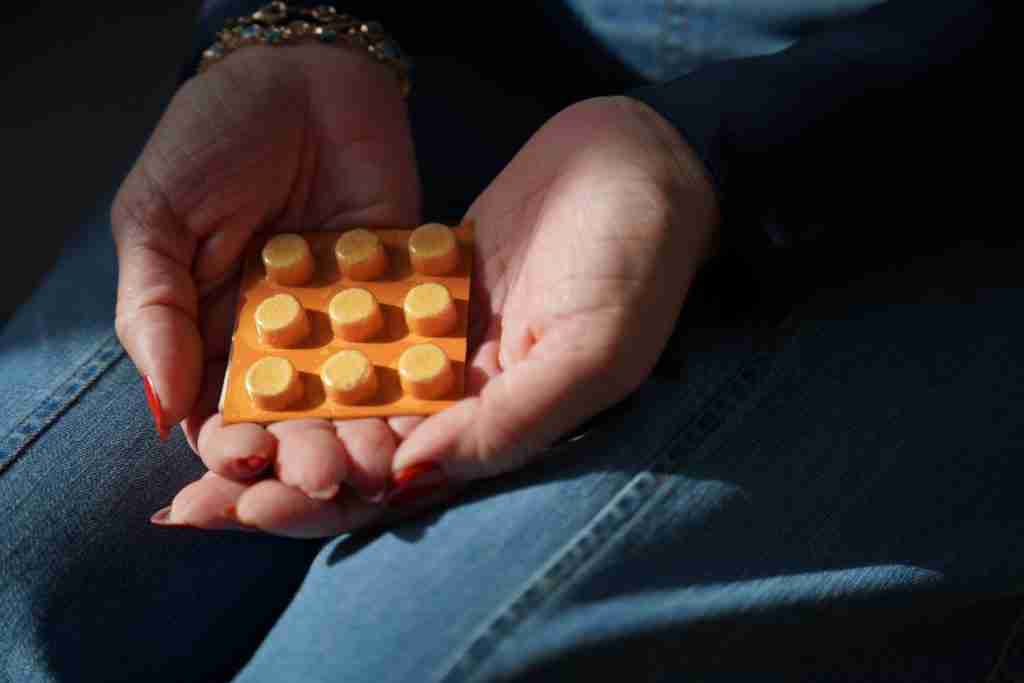
IV Ketamine Therapy
Originally used as an anesthetic, ketamine has shown rapid antidepressant effects, especially for individuals with TRD. Administered under medical supervision, it can reduce symptoms within hours or days rather than weeks. Research published in the Journal of the American Medical Association suggests ketamine can be comparable to ECT in effectiveness for certain individuals.
Medication Augmentation
Sometimes, combining antidepressants with other medications—such as mood stabilizers or atypical antipsychotics—can improve outcomes. One example is esketamine nasal spray (Spravato), which was approved by the U.S. Food and Drug Administration for adults with treatment-resistant depression when used alongside an oral antidepressant.
Other Specialized Interventions
Vagus Nerve Stimulation (VNS)
A surgically implanted device stimulates the vagus nerve, influencing brain regions involved in mood regulation. It is typically considered for chronic or recurrent TRD.
Deep Brain Stimulation (DBS)
DBS involves targeted electrical stimulation of specific brain areas and is used in carefully selected cases of severe depression.
Personalized and Genetic-Informed Care
Ongoing research in genetics and personalized medicine is helping clinicians tailor treatments based on how an individual’s brain and body respond to medication.
These options are considered when standard treatments have not been effective or when symptoms are severe. Decisions should always be made collaboratively with qualified mental health and medical professionals.
Reducing Stigma Around Treatment-Resistant Depression
Stigma can prevent people from seeking the care they need. Addressing it is an essential part of healing.
Encourage Open Conversations
Creating safe spaces for honest discussion helps normalize TRD and reduces isolation.
Educate About the Biology of Depression
TRD is not a personal failure. It reflects complex interactions between genetics, brain chemistry, life experiences, and environment.
Use Empowering Language
Focusing on resilience, strength, and persistence shifts the narrative away from blame.
Build Supportive Communities
Peer support groups and collaboration with advocacy organizations help people feel seen, understood, and supported.
Lifestyle and Support: Essential Parts of Recovery

Clinical treatment works best when supported by healthy daily practices.
Healthy Lifestyle Habits
Regular movement, balanced nutrition, and consistent sleep can support mood regulation.
Ongoing Therapy
Approaches such as cognitive behavioral therapy or trauma-informed modalities help address thought patterns, emotional regulation, and life stressors.
Strong Social Connections
Meaningful relationships, community involvement, and support groups reduce isolation and increase resilience.
Mind-Body Practices
Mindfulness, meditation, relaxation techniques, and creative activities can calm the nervous system and improve emotional balance.
Persistence, Hope, and the Path Forward
Living with treatment-resistant depression can feel overwhelming, but recovery is possible. Persistence, collaboration, and a personalized care plan are key.
At SMP, our mental health professionals work closely with trusted medical collaborators to support advanced treatments, including the medical component of Ketamine-Assisted Psychotherapy (KAP).
The next step is to schedule a consultation with Soribel Martinez, LCSW, or one of our licensed therapists to explore whether KAP or other advanced options are right for you and to discuss how we can support your healing journey.
With the right care, support, and commitment, relief and renewed well-being are within reach.